Pre-construction planning part 1: Early feasibility and managing construction risk from the start
A practical insight for developers, consultants and client-side teams
Every construction project begins with a period of flexibility.
Before budgets are approved. Before programmes are fixed. Before procurement limits options.
This is the early feasibility stage.
It is here that construction risk is either understood and managed, or quietly embedded into the project.
Early feasibility forms the foundation of effective pre-construction planning. The decisions made at this stage influence cost certainty, programme reliability and long-term delivery outcomes.
What is the early feasibility stage in construction?
The feasibility stage sits at the very beginning of the construction project lifecycle.
It is the period where teams assess whether a scheme is viable, practical and deliverable. Key considerations often include:
High-level cost planning
Programme assumptions
Site access and logistics
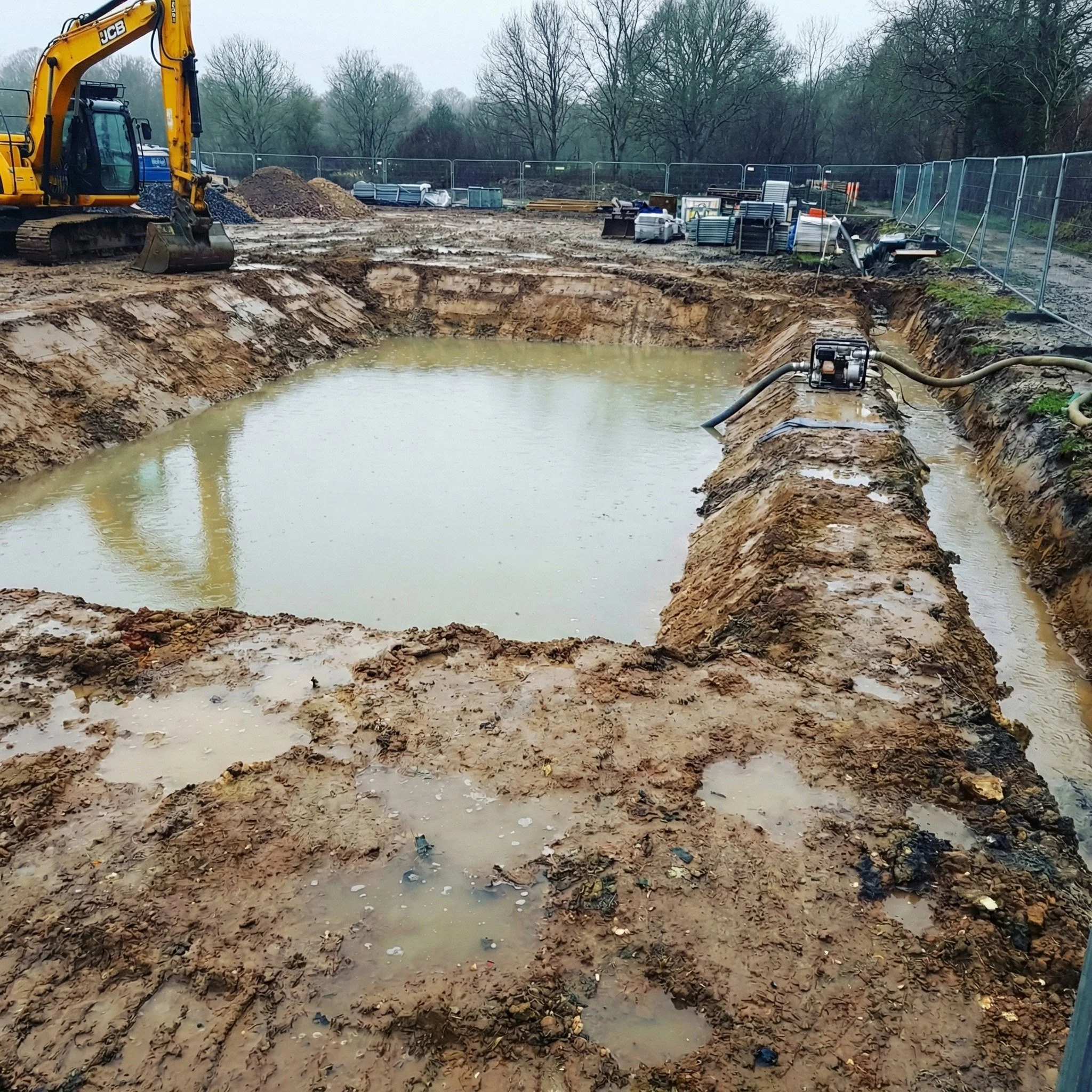
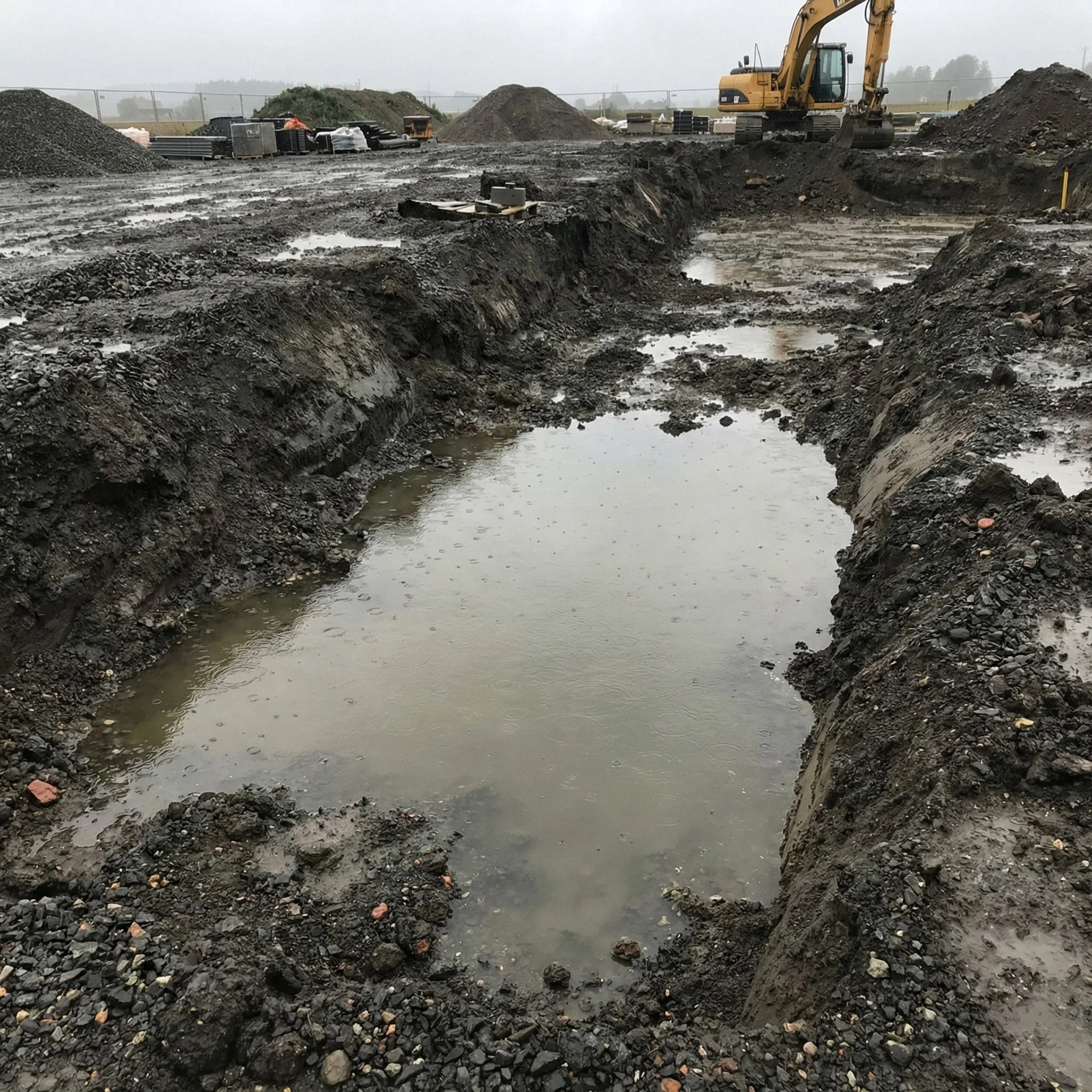
Ground and groundwater conditions
Environmental and contamination risk
Enabling works requirements
While feasibility is sometimes viewed as a financial exercise, it is fundamentally a risk management process.
The purpose is not simply to test viability. It is to understand how the site behaves in reality before commitments are made.
Why early feasibility is critical to pre-construction planning
Feasibility decisions directly shape what happens after budgets are approved.
If early assumptions about ground conditions, sequencing or constraints are not tested, they become embedded in scope documents and funding approvals. Once budgets are fixed, flexibility reduces.
Common examples include:
Ground conditions assumed rather than investigated
Groundwater behaviour underestimated
Enabling works deferred to later stages
Programmes based on ideal site access
Environmental constraints not fully considered
When these assumptions prove inaccurate, the result is often reactive redesign, programme adjustment or cost variation.
Investing time in early feasibility reduces the likelihood of disruption later in the project lifecycle.
Common risks introduced when feasibility is rushed
Risk is rarely introduced deliberately. It is more often a consequence of compressed feasibility work or limited early site input.
Ground and groundwater risk not fully explored
Without early understanding of soil conditions or groundwater levels, feasibility assumptions can distort foundation design and earthworks strategy.
High water tables, made ground or contamination may only become visible once works begin.
Enabling works considered too late
Enabling works are the bridge between feasibility and delivery. If they are not considered early, constraints around access, sequencing and site preparation can create avoidable pressure later.
Programme built on optimistic site conditions
Early programmes often reflect best-case scenarios. Limited allowance for seasonal conditions, regulatory approvals or remediation requirements can undermine delivery certainty.
Addressing these issues during feasibility supports more resilient pre-construction planning.
Managing construction risk during the feasibility stage
Effective feasibility focuses on reducing uncertainty before commitments are made.
This includes:
Reviewing historical site data and previous land use
Assessing potential contamination risk
Considering groundwater management requirements
Understanding logistical and access constraints
Testing programme assumptions against realistic site conditions
Feasibility should challenge assumptions rather than reinforce them.
When approached properly, it creates clarity before funding decisions are finalised.
The role of enabling works in early feasibility
Enabling works strategy should begin at feasibility stage, not after budget approval.
Early consideration of enabling works allows teams to:
Identify site preparation requirements
Understand demolition and strip-out sequencing
Assess service diversion complexity
Anticipate ground improvement or remediation needs
This shapes scope in a way that reflects the practical realities of the site.
Leaving enabling strategy until later increases the likelihood of reactive decision-making once programmes are tighter.
Churngold’s role in early feasibility and risk identification
Churngold supports clients during early feasibility by focusing on practical risk management and buildability from the outset.
Early understanding of site conditions
We help identify ground, groundwater and environmental risks that influence feasibility decisions. This supports realistic scoping before budgets are approved.
Enabling strategy shaped around constraints
Our enabling works capability ensures early strategies reflect real access, sequencing and site preparation requirements.
Groundworks input to support build-ability
Our groundworks teams provide practical insight into how early works can be delivered safely and efficiently, strengthening feasibility assessments.
Managing contamination and groundwater risk
Where contamination or groundwater challenges are present, our remediation and groundwater management expertise helps align early decisions with proportionate risk controls.
This reduces the likelihood of disruption once projects move into formal pre-construction planning.
When to involve an enabling works and groundworks contractor during feasibility
Early involvement is particularly valuable where:
Projects are at concept or feasibility stage
Ground or groundwater risk is anticipated
Brownfield or previously developed land is involved
Enabling works will influence scope or sequencing
Programme certainty is a priority
Engaging at feasibility stage allows risk to be addressed proportionately, supporting smoother transition into budget approval and structured pre-construction planning.
Next in the pre-construction planning series
In Part 2, we explore what happens after construction budgets are approved and how scope should be strengthened before mobilisation begins.