What is a Persistent Organic Pollutant?
A practical guide for Developers
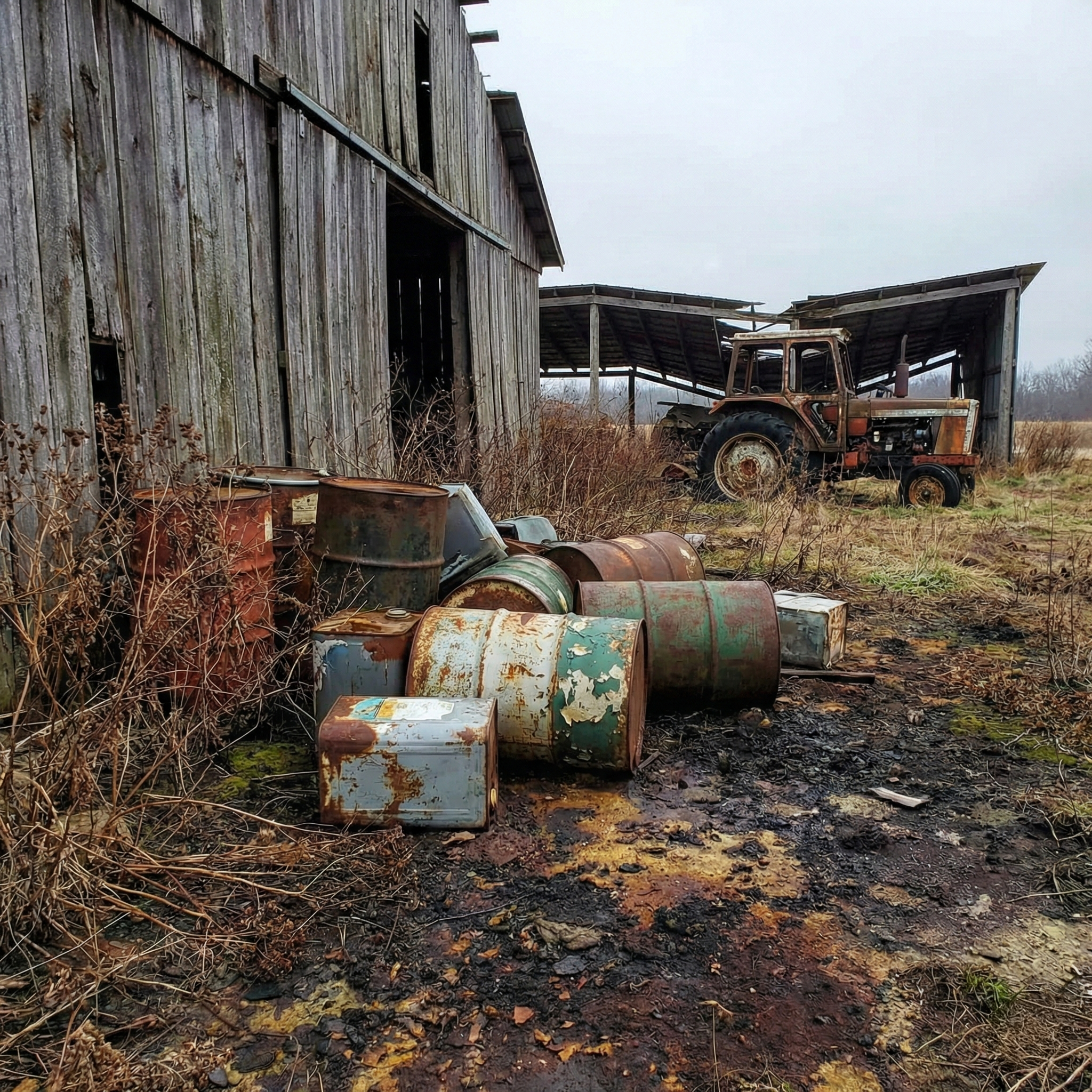
When preparing brownfield or contaminated sites for redevelopment, one of the more complex challenges developers can face is the presence of Persistent Organic Pollutants (POPs). These are not only hazardous, but also highly resistant to environmental breakdown - making them a long-term risk to health, ecosystems, and project viability if not dealt with correctly.
In this guide, we explain what POPs are, why they matter in land remediation, and how developers can approach them safely and responsibly.
What are Persistent Organic Pollutants?
Persistent Organic Pollutants (POPs) are a group of toxic chemical substances that remain in the environment for long periods. They bioaccumulate through the food web and pose a significant risk to human health and the environment.
Examples include:
Polychlorinated biphenyls (PCBs) – often found in old electrical equipment or building materials
Dioxins and furans – by-products of combustion or industrial processes
Certain pesticides – like DDT, which may be present on former agricultural or industrial sites
PFAS (Per- and polyfluoroalkyl substances) – increasingly recognised for their persistence and presence in firefighting foams, coatings, and manufacturing sites
These substances are often regulated under national and international frameworks, including the Stockholm Convention, which restricts their use and mandates safe disposal.
Why POPs are a concern in development projects
For developers, POPs present several critical challenges:
Health and safety risks for site workers, future occupants, and surrounding communities
Regulatory implications – including waste classification and movement restrictions
Programme delays due to the need for specialised investigation and remediation
Increased costs tied to testing, waste handling, and disposal routes
Long-term liabilities if pollutants are not properly managed at the source
Identifying and addressing POPs early in the development process is essential to protect both people and project timelines.
How to identify and manage POPs on site
Churngold is often involved from the earliest stages of site investigation and remediation. Our approach to POPs typically includes:
1. Early site assessment
Historical land use review
Targeted desk study to identify risk factors
Initial intrusive investigation and sampling
2. Laboratory analysis & risk profiling
Specialist chemical testing to identify specific POPs
Assessment of soil, groundwater, and potential exposure pathways
3. Remediation strategy development
Site-specific risk assessment in line with current guidance
Selection of suitable remediation techniques (e.g. excavation, encapsulation, thermal desorption, stabilisation)
4. Waste management
Classification of POP-affected materials as hazardous or non-hazardous
Coordination with licensed waste disposal and treatment facilities
Duty of care and compliance with transfrontier waste movement regulations
5. Verification & aftercare
Validation testing
Regulatory sign-off
Long-term monitoring if required
When to involve Churngold
You should speak to our team if:
You’re working on a site with industrial, agricultural, or military history
You suspect contamination from firefighting foam, solvents, or legacy chemicals
You need pre-construction support to identify potential remediation risks
You want to plan your earthworks strategy in line with waste handling restrictions
You need to ensure compliance with Environment Agency or local authority guidance
Our remediation specialists can assess risk, advise on the most efficient way forward, and carry out works with full environmental compliance.
Ready to talk?
POPs are one of the more complex environmental risks developers face - but with the right advice early on, they don’t have to derail your project.
Get in touch to speak with our remediation team.