Invasive plant species on site - What you need to know before you build
A practical guide for Developers and Site Managers
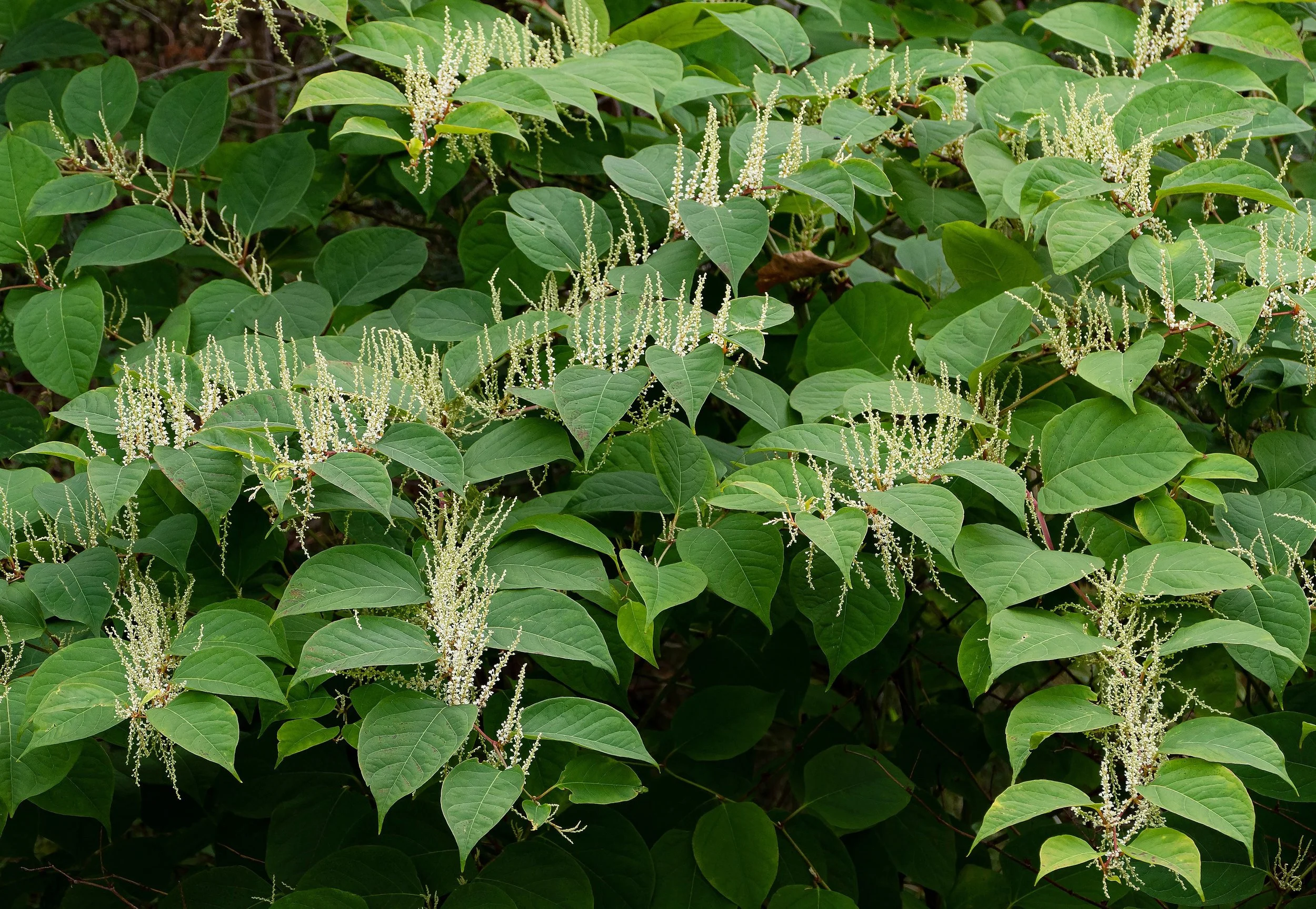
Invasive plants can quietly derail even the most well-planned construction projects. Species like Japanese knotweed and giant hogweed might not look like much at first glance, but if left unmanaged, they can damage structures, delay programmes, and create costly legal and compliance issues.
This guide outlines the key risks, common species, and practical steps developers need to take when dealing with invasive plants on construction and remediation sites.
Why invasive plants are a problem in construction
Certain non-native plants are classified as invasive because they spread aggressively and outcompete native species. On construction sites, they can:
Damage infrastructure by penetrating concrete, foundations, and drainage systems
Delay enabling works due to treatment and disposal requirements
Trigger legal obligations under the Wildlife and Countryside Act 1981
Increase costs through repeat works, contaminated waste, and regulatory fines
Jeopardise property values and mortgage approvals for future owners
Early identification and treatment is key to avoiding these knock-on effects.
Common invasive species found on UK sites
Some of the most problematic invasive plants we encounter on construction and brownfield sites include:
Japanese Knotweed
Grows rapidly through hard surfaces, spreads via rhizomes and contaminated soil, requires licensed disposal.Giant Hogweed
Sap can cause severe skin burns, particularly dangerous to site workers and the public.Himalayan Balsam
Spreads along watercourses and undermines bank stability.Rhododendron ponticum
Dense growth that suppresses native vegetation and can harbour plant pathogens.New Zealand Pygmyweed (Crassula helmsii)
A waterborne invader often found on wet sites or drainage areas.
Churngold’s approach to Invasive Plant Management
We support clients throughout the lifecycle of site clearance and remediation. Our management of invasive plants typically includes:
1. Initial site survey and risk assessment
Desk-based review and walkover survey by trained specialists
Identification and mapping of invasive species on site plans
Assessment of spread risk based on site access, soil movement, and groundwater
2. Control and remediation plan
Selection of treatment method (e.g. herbicide, excavation, root barriers)
Phased management aligned to construction programme
Environmental and regulatory compliance ensured
3. Excavation and waste management
Controlled removal and on-site bunding, where appropriate
Waste classification and consignment notes for off-site disposal
Measures to prevent cross-contamination or re-growth
4. Monitoring and aftercare
Post-treatment inspections
Ongoing control measures, especially on phased developments
Record-keeping for legal and planning compliance

When to involve Churngold
You should speak to our team if:
You’re preparing a brownfield or greenfield site for development
Invasive plants have been flagged in surveys or site investigations
You’re planning bulk earthworks, which may move contaminated soil
You’re working near watercourses, railway lines, or embankments
You need to submit planning or remediation strategy documents
Our early involvement helps reduce delays, manage risk, and ensure legal obligations are met from the outset.
Need help with suspected invasive species?
We work with developers, landowners, and consultants to identify, contain, and treat invasive species on development sites across the UK.
Get in touch to arrange a site visit or request technical input on your remediation plan.